




Bangkok travel guide
Updated October 2026 · TopSpotsReviews editorial
Bangkok is a sensory overload in the best sense: gilded temples beside glass towers, canals and river ferries beneath elevated trains, and street food at every hour. It is hot, busy and sprawling, but it rewards anyone who slows down — an early-morning temple, a long lunch at a market, a sunset from a rooftop.
Where to stay
Along the Chao Phraya river, the hotels have views and easy boat access to the old city. Sukhumvit and Siam are central for the BTS Skytrain, shopping and nightlife. Banglamphu, near Khao San Road, is cheap and close to the Grand Palace, with a backpacker feel.
A first two days
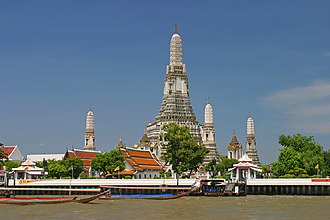
Day one: the Grand Palace and Wat Phra Kaew at opening, the reclining Buddha of Wat Pho, then the cross-river ferry to Wat Arun. In the evening, Chinatown's Yaowarat Road for street food.
Day two: a canal (khlong) boat ride through Thonburi, then Jim Thompson House and the malls around Siam, Lumphini Park in the late afternoon, and a rooftop bar at sunset. At weekends, the vast Chatuchak market deserves a morning.
What to eat
Pad kra pao, boat noodles, green curry, som tam papaya salad, mango sticky rice — and the best versions are often at a street stall or a food court rather than a restaurant. Night markets and Chinatown are the classic feasts; ask for less spice (mai phet) if you need to.
Getting around
The BTS Skytrain and MRT subway beat the traffic; the Chao Phraya Express Boat is both transport and sightseeing. Use metered taxis or ride-hailing apps, and agree prices before any tuk-tuk ride.
Good to know
Temples require covered shoulders and knees. Be wary of strangers who tell you a sight is closed and offer an alternative tour — it is a classic scam. The royal family is deeply respected; criticism is a serious offence. November to February is the coolest and driest season.