


Dubai travel guide
Updated October 2026 · TopSpotsReviews editorial
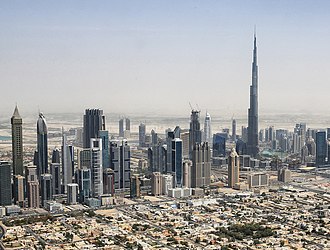
Dubai grew in a single generation from a trading creek into a skyline of record-breaking towers, artificial islands and mega-malls. The superlatives are real and fun, but the city has another side worth finding: the old creek with its wooden abras and souks, the desert at dusk, and food from every corner of the Indian Ocean.
Where to stay
Downtown puts you beside the Burj Khalifa and Dubai Mall. Dubai Marina and Jumeirah Beach Residence are for the beach and the waterfront promenade. For character and lower prices, stay in Deira or Bur Dubai near the creek.
A first two days
Day one: the old city — the Al Fahidi historical neighbourhood, an abra ride across Dubai Creek for a few dirhams, and the gold and spice souks in Deira. In the evening, the Burj Khalifa observation deck at sunset (book ahead) and the fountain show at its foot.
Day two: the beach at Jumeirah with a view of the Burj Al Arab, the Museum of the Future from outside or in, and a desert safari in the afternoon with dinner under the stars.
What to eat
Shawarma and manakish from a cafeteria, Emirati dishes like machboos (spiced rice with meat) and luqaimat (sweet dumplings), and the Indian, Pakistani and Iranian kitchens of Karama and Deira. Brunch on Fridays and weekends is a local institution in the hotels.
Getting around
The driverless Metro runs along the main axis from the airport to the Marina; a Nol card covers the Metro, trams and buses. Taxis and ride-hailing apps are plentiful and reasonably priced; the heat makes walking impractical for much of the year.
Good to know
Dress modestly in malls, souks and religious sites, and avoid public displays of affection. During Ramadan, it is courteous not to eat or drink in public in daylight, and some restaurants change their hours. From June to September the heat is extreme; November to March is the pleasant season.