




Prague travel guide
Updated October 2026 · TopSpotsReviews editorial
Prague survived the 20th century almost intact, so its centre is a near-perfect sequence of Gothic, Renaissance and baroque — a castle on the hill, a stone bridge lined with statues, an Old Town square with an astronomical clock. Get up early to have it to yourself, and walk ten minutes beyond any landmark to find the city locals use.
Where to stay
Old Town (Staré Město) and the Lesser Town (Malá Strana) are the most beautiful and the busiest. Vinohrady and Žižkov, a short tram ride east, have tree-lined streets, good-value hotels and excellent bars and cafés.
A first two days
Day one: Old Town Square and the astronomical clock, the Jewish Quarter (Josefov), then Charles Bridge — at sunrise if you can — and up through Malá Strana.
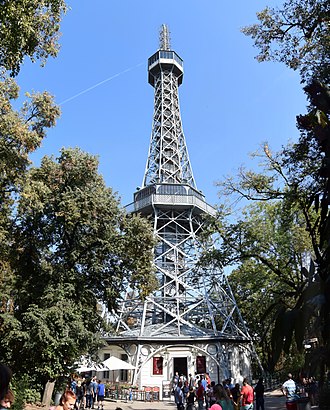
Day two: Prague Castle and St Vitus Cathedral in the morning, the Golden Lane, the gardens below the castle, and Petřín Hill for the view. In the evening, a beer garden on Letná Hill or Riegrovy Sady.
What to eat
Svíčková (beef in a cream sauce with dumplings), roast pork with sauerkraut, goulash in a bread bowl, and fried cheese for the brave. Czech beer is cheap and superb — Pilsner Urquell and Budvar on tap, plus a strong craft-brewery scene. Trdelník, the chimney cake sold everywhere, is a tourist invention rather than a tradition.
Getting around
Trams are the best way around, with the Metro for longer hops; buy tickets in the PID Lítačka app or at machines and validate paper tickets on first use. The centre is compact and very walkable, though cobbled and hilly.
Good to know
The currency is the Czech koruna; decline "dynamic currency conversion" on card payments and avoid street exchange booths. Restaurant bills sometimes include a service charge — check before tipping. December's Christmas markets are magical and very busy.