




Rome travel guide
Updated October 2026 · TopSpotsReviews editorial
Rome layers almost three thousand years on top of itself: ancient ruins under baroque churches, Renaissance palaces beside trattorias that have served the same dishes for generations. You will not see it all — nobody does — so pick a few great sights, book them, and let the piazzas and fountains fill the rest of the day.
Where to stay
The historic centre around the Pantheon and Piazza Navona puts most sights within walking distance. Trastevere, across the river, is the most atmospheric for evenings out. Monti, near the Colosseum, mixes good restaurants with a neighbourhood feel; Prati, by the Vatican, is calmer and well connected.
A first two days
Day one, ancient Rome: the Colosseum, the Roman Forum and the Palatine Hill on one ticket — book a timed entry — then a walk past the Capitoline Hill to the Pantheon, the Trevi Fountain and the Spanish Steps.
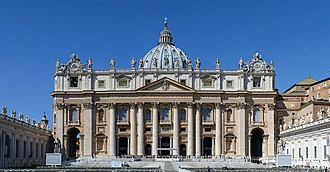
Day two: the Vatican Museums and the Sistine Chapel early with a reservation, then St Peter's Basilica (dress with shoulders and knees covered). Spend the evening wandering Trastevere.
What to eat
Rome's four great pastas are cacio e pepe, carbonara, amatriciana and gricia; supplì (fried rice balls) and pizza al taglio are the street food; gelato is a daily duty — look for muted, natural colours rather than towering heaps. Lunch is the best-value meal, and coffee is drunk standing at the bar.
Getting around
The centre is best on foot; the Metro is limited because every dig hits ruins. Buses and trams fill the gaps, and contactless cards work at Metro gates. Taxis must be taken from official ranks or booked through apps.
Good to know
Fountains with drinkable water (nasoni) are everywhere — bring a bottle. Many churches have dress codes and close at lunchtime. Watch for pickpockets on busy buses and around Termini. July and August are hot and crowded; spring and autumn are ideal.