

Yokohama travel guide
Updated October 2026 · TopSpotsReviews editorial
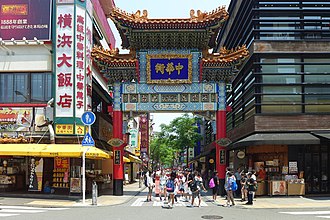
Yokohama was a fishing village until its port opened to foreign trade in 1859, and that history still shapes it: Japan's largest Chinatown, Western-style houses on the bluff, and a waterfront that feels more spacious than anything in Tokyo — which is only half an hour away.
Where to stay
Minato Mirai is the modern waterfront of towers, hotels and harbour views. Kannai and the area near Chinatown are older, more characterful and close to the best food. Around Yokohama Station is the practical choice for trains to Tokyo and the airports.
A first two days
Day one: walk the waterfront from Minato Mirai past the Red Brick Warehouse to Osanbashi Pier and Yamashita Park, then dinner in Chinatown.
Day two: Sankeien, a landscape garden with historic buildings moved from across Japan, the Western houses of the Yamate bluff, and either the Cup Noodles Museum or the Shin-Yokohama Ramen Museum. Kamakura and its Great Buddha are a short train ride away.
What to eat
Chinatown for steamed buns, dim sum and Cantonese banquets; iekei ramen, a rich pork-and-soy style born here; and the spaghetti Napolitan of Japanese diners, which the city claims as its own.
Getting around
The Minatomirai line runs along the waterfront; JR and private lines reach Tokyo in about 30 minutes. IC cards work throughout. Much of the bay area is best on foot.
Good to know
Yokohama is a calmer alternative base for a Tokyo trip, especially for families. The harbour is beautiful at night, and summer brings firework displays over the bay.